
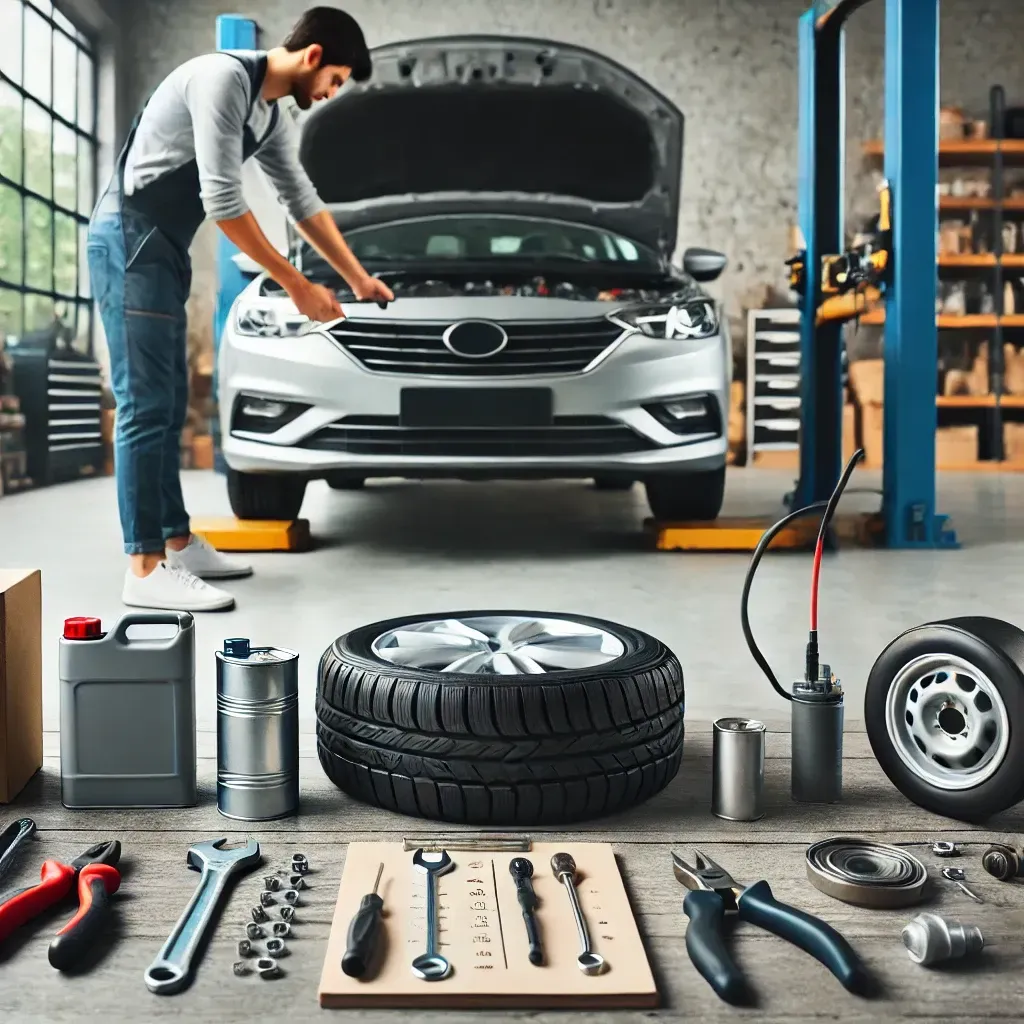
DIY Car Maintenance Tips: Keep Your Ride Running Smoothly
DIY Car Maintenance Tips: Keep Your Ride Running Smoothly
Staying on top of vehicle maintenance can significantly improve your car’s performance and longevity—and doing some of these tasks yourself can save you money and boost your automotive know-how. Below are practical, do-it-yourself (DIY) maintenance tips to help keep your car in great shape. Please note: if you’re uncomfortable with any of these steps or lack the proper tools, consult a professional mechanic to ensure safety and compliance with local regulations (including OMVIC guidelines in Ontario, Canada).
1. Check Your Tire Pressure and Tread
Why It Matters:
Properly inflated tires improve fuel efficiency, handling, and overall safety.
Adequate tread ensures grip on the road, especially in wet or wintry conditions.
How to Do It:
Obtain a reliable tire pressure gauge or use a gas station air pump with a built-in gauge.
Find your car’s recommended tire pressure in the owner’s manual or on the driver-side door jamb.
Check pressure when tires are “cold” (i.e., after being parked for a few hours).
Inflate (or deflate) to the recommended PSI.
Inspect tire tread by using the “quarter test” (in Canada) or a tire tread depth gauge; if tread is low or uneven, consider rotating or replacing the tires.
2. Keep Fluids Topped Up
Why It Matters:
Car fluids help lubricate, cool, and protect different systems in your vehicle. Low or dirty fluids can lead to costly damage.
Which Fluids to Check:
Engine Oil: Pull out the dipstick and wipe it clean. Reinsert it, then remove it again to check the level. Top up if necessary, using the oil grade recommended by your manufacturer.
Coolant/Antifreeze: Look for markings on the coolant reservoir. Only open the radiator cap when the engine is cold.
Brake Fluid: Usually contained in a small, transparent reservoir near the rear of the engine bay. Ensure the level is within the specified range.
Power Steering Fluid: Not all modern vehicles have a separate reservoir (some have electronic power steering), but if yours does, check the level and color.
Windshield Washer Fluid: Keep it full for maximum visibility, especially in wet or snowy weather.
3. Change Your Air Filter
Why It Matters:
A clean air filter ensures your engine gets sufficient, contaminant-free airflow, improving efficiency and performance.
How to Do It:
Locate the air filter box under the hood (consult your owner’s manual if needed).
Unclip or unscrew the housing.
Remove the old filter and compare it to the new one.
Insert the new filter in the correct orientation and secure the housing.
Dispose of the old filter responsibly.
Tip: Changing your cabin air filter can improve air quality inside the vehicle. The process is typically similar but often located behind the glove box or under the dashboard.
4. Inspect and Clean Your Battery
Why It Matters:
Car batteries supply power to your entire electrical system. Corrosion or a failing battery can lead to starting issues and electronic malfunctions.
How to Do It:
Turn off your engine and remove the key.
Pop the hood and locate the battery (use gloves and safety glasses for protection).
Check battery terminals for corrosion (white or greenish residue).
Clean gently using a wire brush or battery terminal cleaner; a small amount of baking soda mixed with water can neutralize corrosion.
Rinse and dry terminals thoroughly, then reattach securely.
If your battery is older than three to five years or shows signs of weakening (slow cranks, dim headlights), consider replacing it.
5. Replace Windshield Wipers
Why It Matters:
Clear visibility is critical for safe driving, particularly in heavy rain or snow.
How to Do It:
Lift the wiper arms away from the windshield.
Press or slide the release tab (depending on your wiper model) and remove the old blades.
Match the new blades to the size recommended for your make and model.
Slide or clip the new wipers in place until you hear a secure “click.”
Lower the wiper arms carefully back onto the windshield.
6. Check Belts and Hoses
Why It Matters:
Serpentine belts, timing belts, and coolant hoses are vital for running your car’s engine accessories (like the alternator, power steering pump, etc.). A worn or cracked belt can snap, leading to breakdowns.
What to Look For:
Cracks or fraying on belts.
Bulges or leaks on hoses.
Squeaking or rattling sounds from the engine area could indicate a loose belt tension or worn belt.
If you spot significant wear or damage, it’s best to have these components replaced by a qualified mechanic.
7. Spark Plugs and Filters
Why It Matters:
Spark plugs ignite your air-fuel mixture, so worn plugs can cause rough idling, poor gas mileage, or difficulty starting.
Fuel filters (and other filters) play a significant role in keeping your engine running smoothly.
How to Do It:
If you’re comfortable with basic engine work, you can replace spark plugs using a spark plug socket and torque wrench.
Always follow your vehicle’s service manual for recommended intervals and correct spark plug specifications.
Remember, improper installation can lead to engine damage, so when in doubt, consult a professional.
Safety & Compliance Tips
Use the Right Tools: Invest in quality tools (sockets, wrenches, torque wrenches) to minimize the risk of damage or injury.
Follow the Owner’s Manual: Each vehicle is different; always reference the manual for fluid types, part numbers, and torque specifications.
Wear Protective Gear: Gloves, safety goggles, and closed-toe shoes are essential for preventing injuries.
Check Local Regulations (OMVIC Compliance): If you’re in Ontario, any work that might affect resale or warranty should be handled carefully to maintain compliance and protect your vehicle’s value.
When in Doubt, See a Pro: Certain tasks (e.g., brake jobs, suspension work) may require specialized tools or knowledge. Don’t risk your safety (or your car’s) if you’re unsure.
Final Thoughts
Basic DIY maintenance can save you time, money, and give you a deeper appreciation for how your car operates. Regular checks and small fixes can also help you spot potential issues before they become expensive problems. However, don’t hesitate to consult a licensed mechanic for more complex repairs or diagnostics. If you’re ever unsure about proper procedures or compliance (including warranty and OMVIC guidelines), expert advice can help keep you safe and your car running at peak performance.
Call to Action
If you need assistance with any part of your vehicle maintenance—or if you’re thinking about upgrading your ride—Need a Car is here to help. Our knowledgeable team can guide you on service schedules, answer financing questions, and showcase a wide selection of vehicles to fit your needs. If you need any help contact us today, and let’s keep you on the road with confidence.
Disclaimer: This blog post is for general informational purposes only. Always follow your vehicle manufacturer’s recommendations and consult a professional mechanic if you are unsure about any repair or procedure. By performing DIY tasks, you assume responsibility for any risks or damages incurred.


